
 021 3910 9045 (208)
  153 1672 9872
  021 3910 9045 (208)
153 1672 9872
021 3910 9045 (208)
153 1672 9872



A prototype is the first sample made for a new product during R&D, before production tooling is created. Depending on different requirements, prototypes may receive varying levels of surface treatment. For example, when a prototype is used solely for structural verification, extensive surface finishing may not be necessary—basic smoothing is usually sufficient. However, if the prototype is intended for appearance validation or for display at exhibitions, its surface will need to be treated to match the rendered product images as closely as possible.
What are the common surface finishing methods? They mainly include painting, electroplating, anodizing, brushing, silk-screen printing, laser engraving, and other physical, chemical, and mechanical processes. Below we take a closer look at each treatment method and its effects.
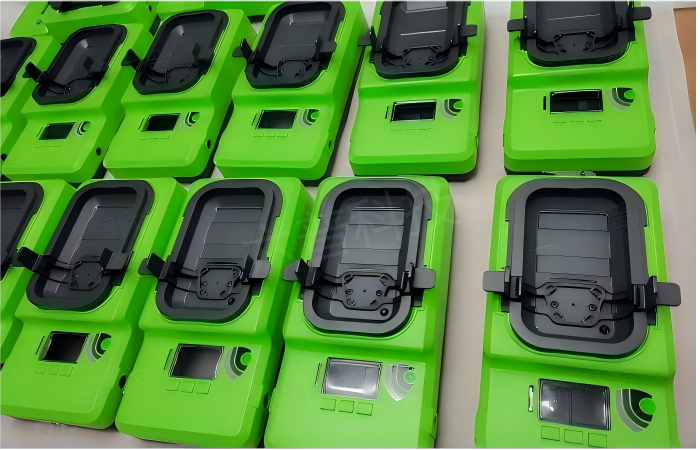
Painting / Spray Painting: This is the most commonly used surface finishing method for prototypes, widely applied to medical instruments, robotics, home appliances, digital products, and more. Available effects include high-gloss, matte, textured (leather-like), and clear coating (varnish). Paint colors are generally referenced to Pantone and RAL color standards. With a wide selection of gloss levels and colors, the results are highly attractive and versatile.
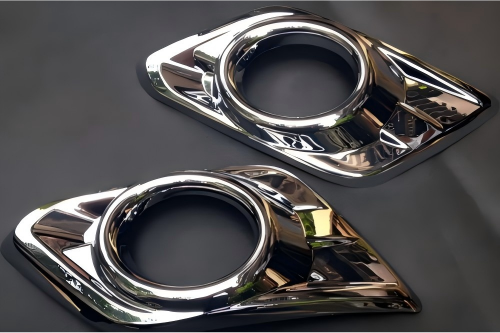
Electroplating: Electroplating includes water plating and vacuum plating, applicable to both plastic and metal materials. It is primarily used to enhance aesthetics, achieving metallic finishes such as silver, gold, and other metal-like effects. Many medical instruments and robotic enclosures feature logos highlighted by electroplating.
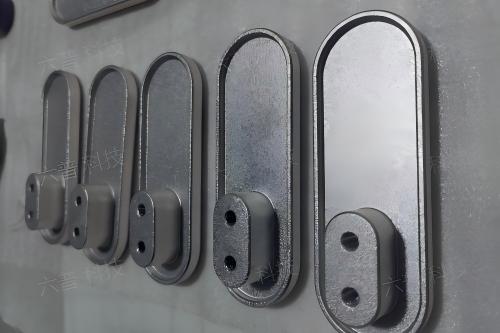
Anodizing: Anodizing is mainly used for aluminum alloy prototypes to improve surface appearance and enhance the metallic feel. It offers a certain degree of wear resistance and is available in a wide range of colors, including silver white, gold, champagne, and more. It is a common surface treatment for metal enclosures. In addition, anodizing improves the corrosion resistance of aluminum surfaces, extending product service life. In practice, it is often combined with silk-screen printing or laser engraving to apply logos and patterns.
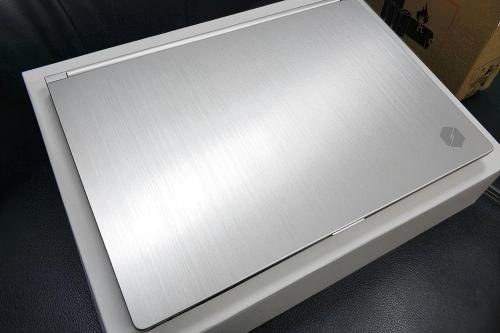
Brushing: Surface brushing is a friction-based treatment applied to metal surfaces such as aluminum alloy and stainless steel, creating uniform linear textures. This process effectively conceals scratches and fingerprints. Brushing is commonly seen on digital products, home appliance panels, and high-end instrument enclosures.
Silk-Screen Printing / Pad Printing: These methods are mainly used for applying logos and markings on enclosure surfaces. Silk-screen printing requires the production of mesh screens and is suitable for flat surfaces, while pad printing can be used on uneven or curved surfaces. Since the printing medium is ink, a wide variety of colors is available.
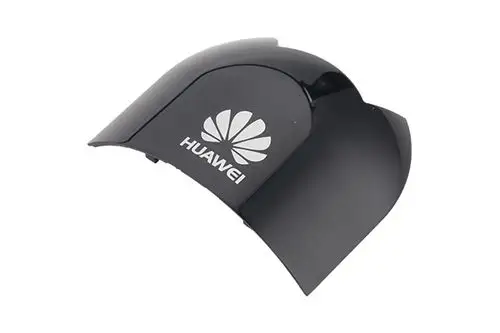
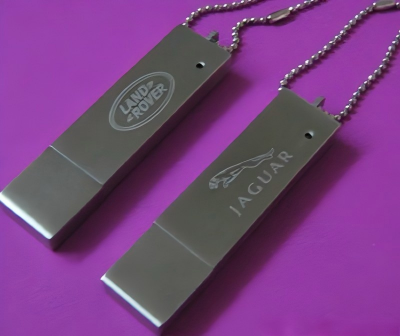
Laser Engraving: This is also used for creating surface logos and markings. It removes paint from the surface using a laser—a form of laser engraving that can be applied to both plastic and metal materials. On plastics, it is often used for backlighting (translucent) effects; on metals, it is mainly used to engrave brand logos, model numbers, production dates, QR codes, and more.
These are the commonly used surface finishing methods for prototypes. If your product model requires other processes not mentioned here, feel free to consult Shanghai New Product Technologies Co., Ltd.—a manufacturer with 22 years of experience specializing in custom enclosures for medical instruments and intelligent robotics, ready to provide you with a rapid one-stop manufacturing solution.


3D printing


CNC Machining


Silicone Mold


RIM


Rapid Casting


Injection molding


Spraying and Assembly

153 1672 9872

021 3910 9045

npt-m@shnpt.com

www.shnpt.com
 Source Factory
 Professional Team
 Advanced Equipment
 Quality Assurance
 Fast Delivery
 CN
CN


